Olive Oil Orange Cake
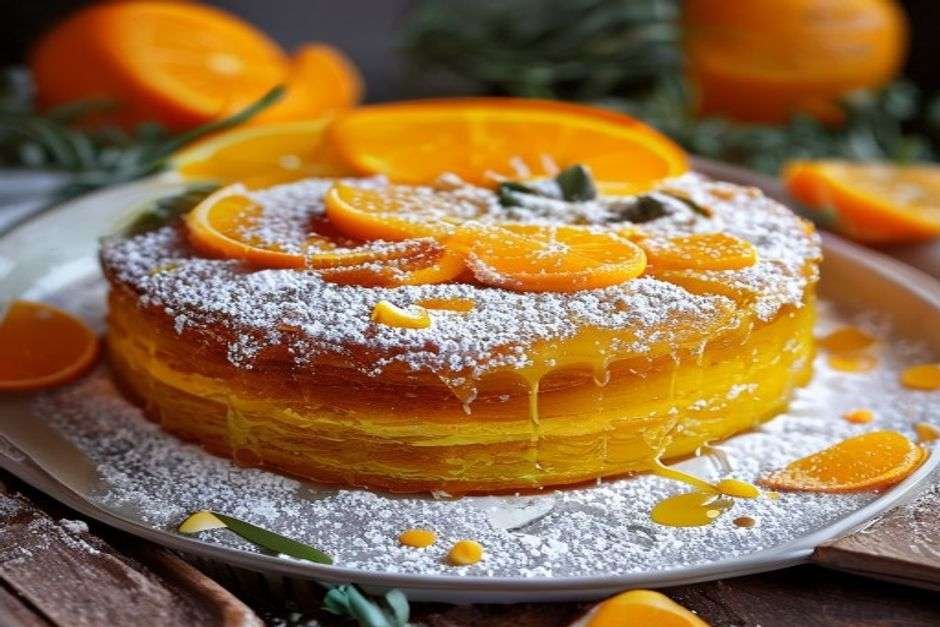
Olive oil cake is understated and lovely — moist, tender, and just a little grown-up. Paired with fresh orange, it becomes fragrant and bright, with a soft crumb that keeps for days. It is naturally dairy-free and needs nothing more than a dusting of powdered sugar.
Use a good, fruity olive oil you would happily taste on its own; it is the backbone of the flavour. Plenty of orange zest and juice does the rest.
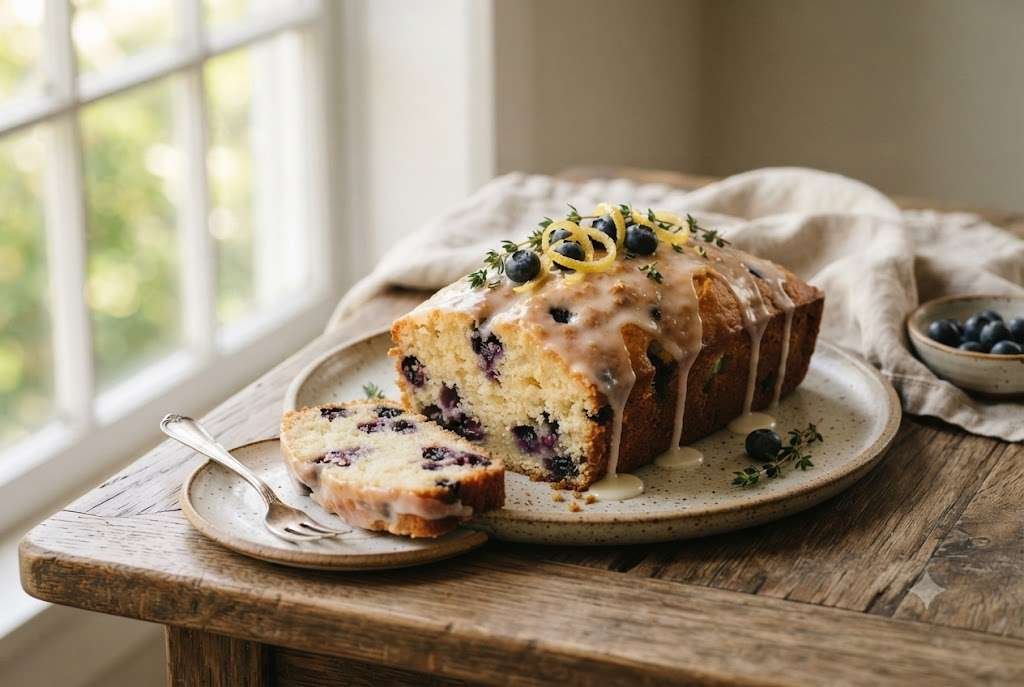
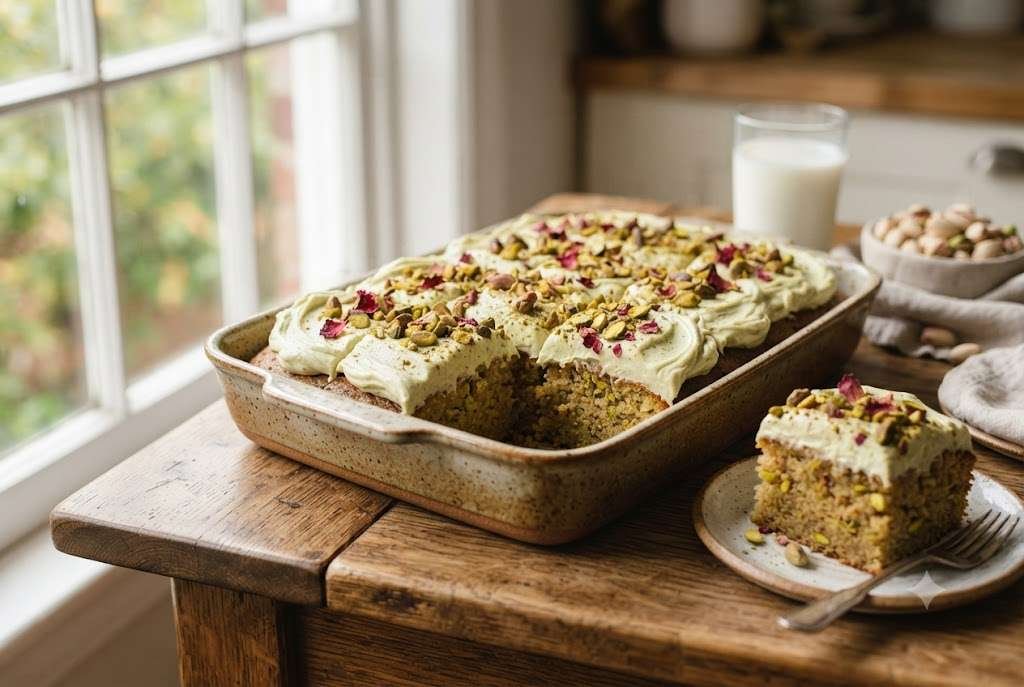
For more citrus, try my lemon blueberry loaf, or the fragrant cardamom pistachio sheet cake.
Why this recipe works
Olive oil gives a cake that is exceptionally moist and stays soft for days, with a subtle savoury fruitiness that pairs beautifully with orange. Whisking whole eggs with sugar until pale adds lightness without butter. Fresh orange zest and juice provide bright, natural flavour throughout.
What you'll need
Just a handful of ingredients, quality-led:
- Olive oil: use a fruity extra-virgin you enjoy tasting; it defines the cake.
- Oranges: zest and juice both. Two oranges is about right.
- Eggs: whisked with the sugar until pale for a light crumb.


Smart swaps: lemon works in place of orange for a lemon olive oil cake. A splash of almond extract is a lovely addition. To make it gluten-free, use a fine 1:1 blend with a little ground almond.
Olive Oil Orange Cake
Fragrant, moist olive oil orange cake. Serves 10.
Ingredients
- 3 large eggs
- 1 cup (200 g) granulated sugar
- ¾ cup (180 ml) fruity olive oil
- 2 oranges (zest + ½ cup juice)
- 1 tsp vanilla extract
- 1¾ cups (210 g) all-purpose flour
- 1½ tsp baking powder
- ¼ tsp salt
- Powdered sugar for dusting
Method
- Heat oven to 175°C / 350°F. Grease and line a 20cm (8-inch) round tin.
- Whisk the eggs and sugar until pale and thick, about 3 minutes.
- Whisk in the olive oil, orange zest, juice and vanilla until smooth.
- Fold in the flour, baking powder and salt just until combined.
- Pour into the tin and bake 38–45 minutes, until golden and a skewer comes out clean.
- Cool in the tin 10 minutes, then on a rack. Dust with powdered sugar to serve.
Step by step
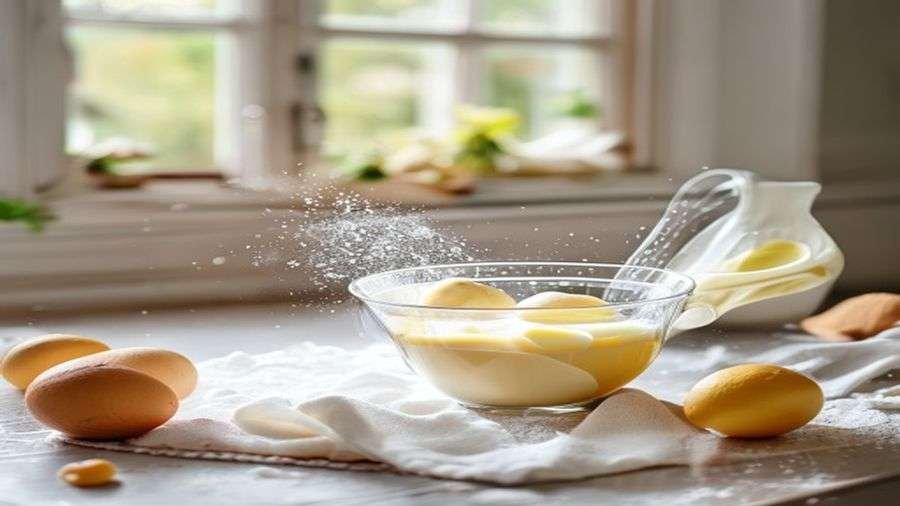
Step 1 — Whisk eggs and sugar
Whisk the eggs and sugar until pale and thick — this builds the lightness that replaces butter. Then stream in the olive oil.
Step 2 — Add plenty of orange
Zest and juice both go in for a bright, fragrant crumb. Fold the flour in gently to keep it tender.
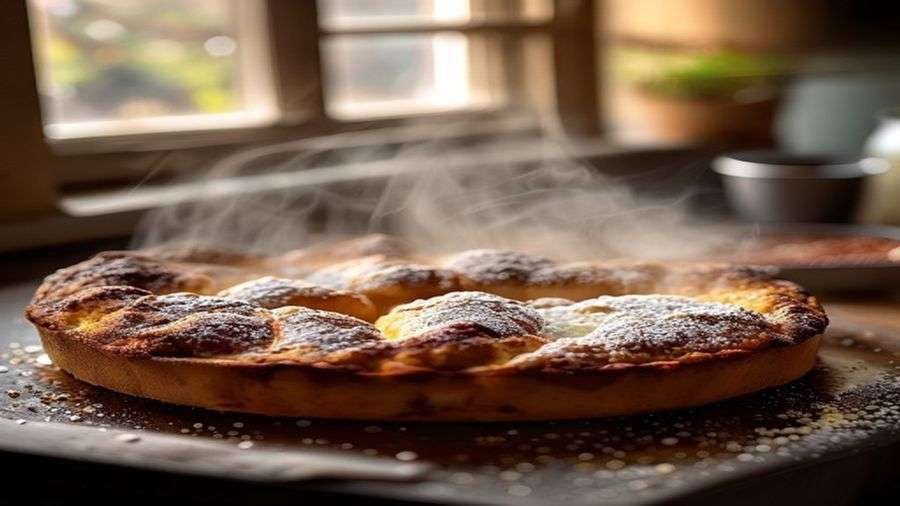
Step 3 — Bake and dust
Bake until golden and a skewer comes out clean. A simple dusting of powdered sugar is all it needs.
Pro tips
- Use olive oil you like tasting. Its flavour comes through, so choose a good fruity one.
- Whisk eggs and sugar well. This adds the air that keeps the cake light.
- Zest before juicing. The zest holds most of the orange aroma.
- Do not over-mix. Fold gently once the flour is in.
- It keeps well. Olive oil cakes stay moist for days — even better on day two.
Storage & make-ahead
This cake keeps beautifully — up to 5 days, covered, at room temperature, staying moist thanks to the olive oil. It freezes well for up to 3 months; wrap tightly and thaw at room temperature. The flavour deepens overnight, so it is a great make-ahead.
Variations & substitutions
- Lemon: swap orange for lemon.
- Almond: add ½ tsp almond extract and scatter flaked almonds.
- Glazed: brush with a warm orange syrup for extra moisture.
- Smaller cake: use the ½x scaler and a small tin.
Frequently asked questions
Will it taste of olive oil?
Subtly — it adds a lovely fruity depth rather than a strong savoury flavour. Choose an oil you enjoy.
Can I use light olive oil?
You can, but a good extra-virgin gives more character. Avoid anything harsh or bitter.
Why is olive oil cake so moist?
Oil stays liquid at room temperature, so the crumb stays soft far longer than a butter cake.
Can I make it dairy-free?
It already is — just check your dusting sugar and any additions.
Final thoughts: this is the cake for when you want something simple but special, and it only gets better the next day. Bake it, dust it, and tell me whether you go orange or lemon over on the contact page.
For why oil-based cakes stay moist, Serious Eats explains it clearly.

About Alishba
I'm a self-taught home cook who writes recipes the honest way — refined until they genuinely work, with no shortcuts and no fake awards. More recipes by Alishba →